In many parts of China, especially in traditional or rural settings, some babies wear split-crotch pants called “kaidangku” (also spelled “kaidang ku”) instead of disposable diapers. These pants have an opening in the crotch so caregivers can hold a baby over a toilet, a small potty, or outdoors and allow them to pee or poop without removing clothing.
This approach is often paired with early “elimination communication” habits—watching for cues (squirming, facial changes, timing after meals) and offering frequent potty opportunities. In warm weather, some babies may also wear simple cloth underpants or go without a diaper at home, with extra layers and quick changes used to handle accidents.
That said, modern diaper use is also common in China today, particularly in cities and for childcare settings. Many families combine methods: diapers for naps, nighttime, car rides, or outings, and split pants/potty practice when at home.
Split pants can reduce diaper costs, make bathroom trips faster, and help keep a baby more comfortable in heat and humidity. They can also fit well with households that have a predictable routine and a caregiver who can respond quickly.
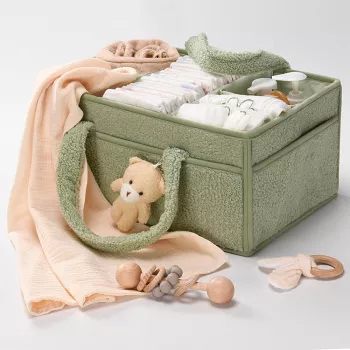
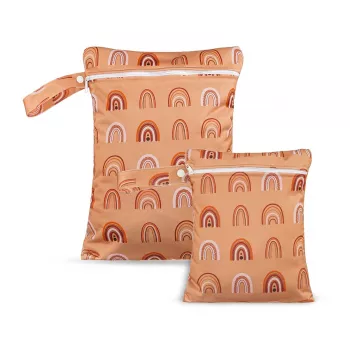
The downside is that accidents are more likely, and hygiene can be trickier in public spaces. If a family uses a hybrid approach, having supplies ready—wipes, spare clothes, a changing pad, and a small wet bag—makes transitions between potty time and diaper time much easier. For a simple way to keep newborn and diapering essentials organized in one place, see this guide: portable diaper caddy setup for newborn essentials.
For Chinese Split-Crotch Pants: Diaper Alternative for Babies, the best answer depends on fit, material, care instructions, and how the product will be used day to day.
Elimination communication is a method where caregivers learn a baby’s timing and cues for peeing or pooping and offer a potty or toilet at those moments. It often starts with easy “wins,” like after waking up, and can be combined with diapers as backup.





Leave a comment